Product Page Redesign
Streamlining The Buy Box
At Rejuvenation, the Buy Box is a high-stakes component where
customers configure, price, and purchase customizable
products.Over time, this area had grown dense with duplicative instructions
and inconsistent styles, creating a fractured information hierarchy.
Working alongside my senior designer, Maria, I contributed heavily
to the redesign from early exploration through launch. My role
included developing interaction patterns, proposing simplifications
to complex configuration steps, and assisting in shaping the visual
clarity of the final UI.
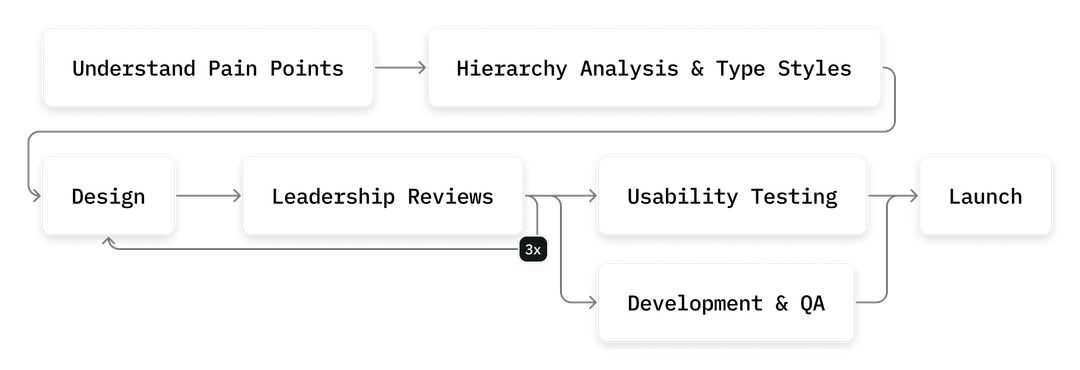
Project Phases & Timelines
With only two weeks to design and present a wholly redesigned
Buy Box, we parallel-pathed development and usability testing.
This accelerated pace allowed insights from early testing to
inform ongoing design refinements in real time.
Foundation
Hierarchy & Type Styles
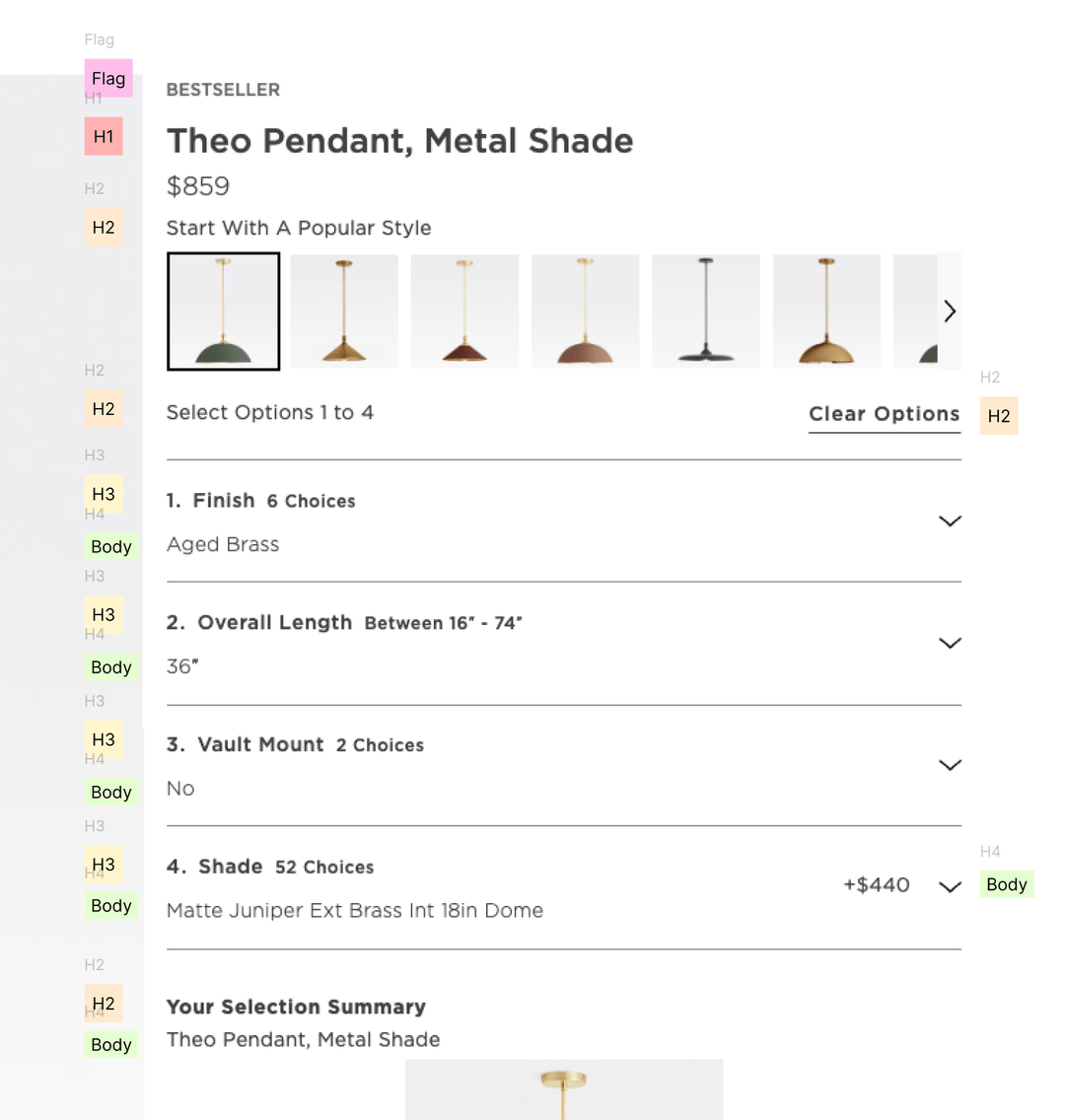
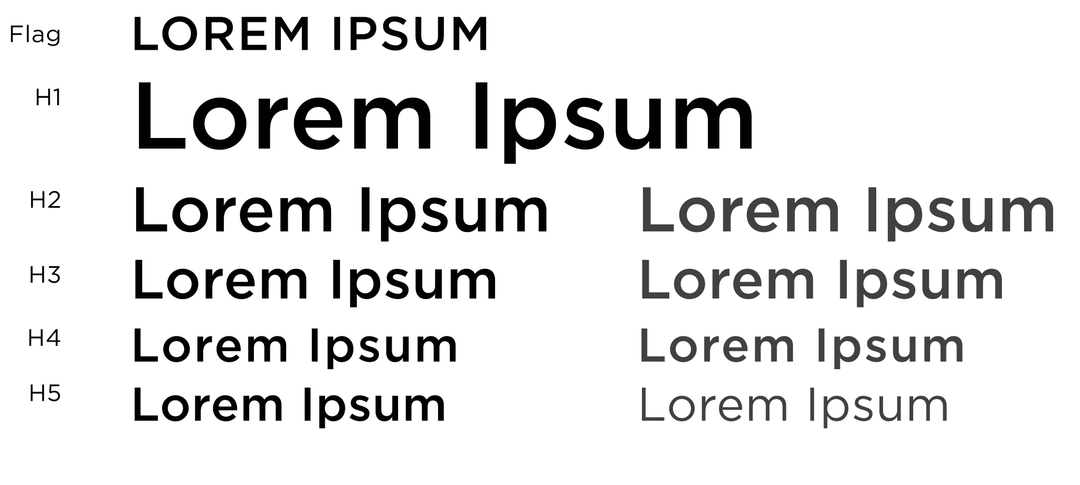
Maria analyzed the PIP's legacy styles and redefined the hierarchies
to quicken our rebuild. By shifting headings from dark grey to black
and limiting the use of all-caps, we improved legibility and
established a more sophisticated aesthetic.
Type Hierarchy Evaluation: Establishing a cleaner
foundation.
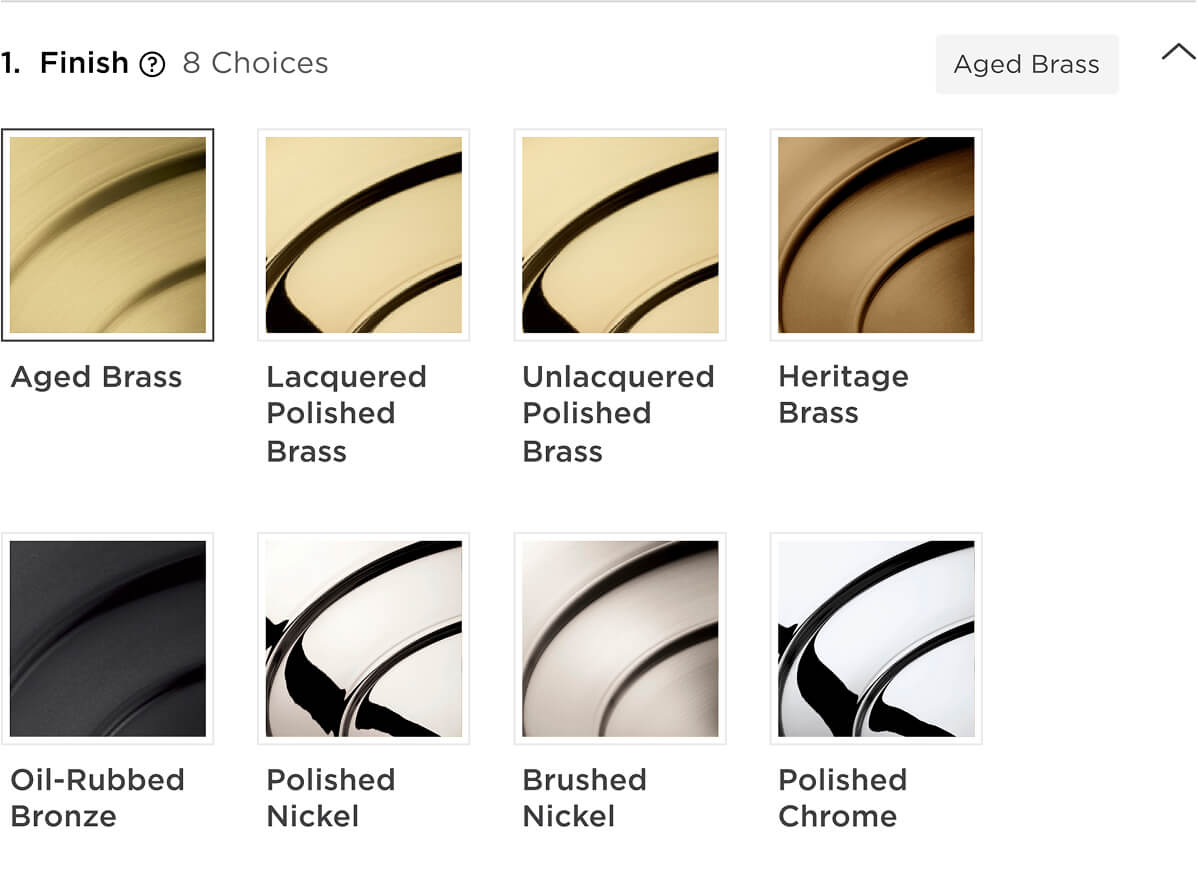
To ground our decisions, I conducted a competitive analysis,
collecting screenshots from high-end commerce peers to defend our
move toward a more modular selection system.
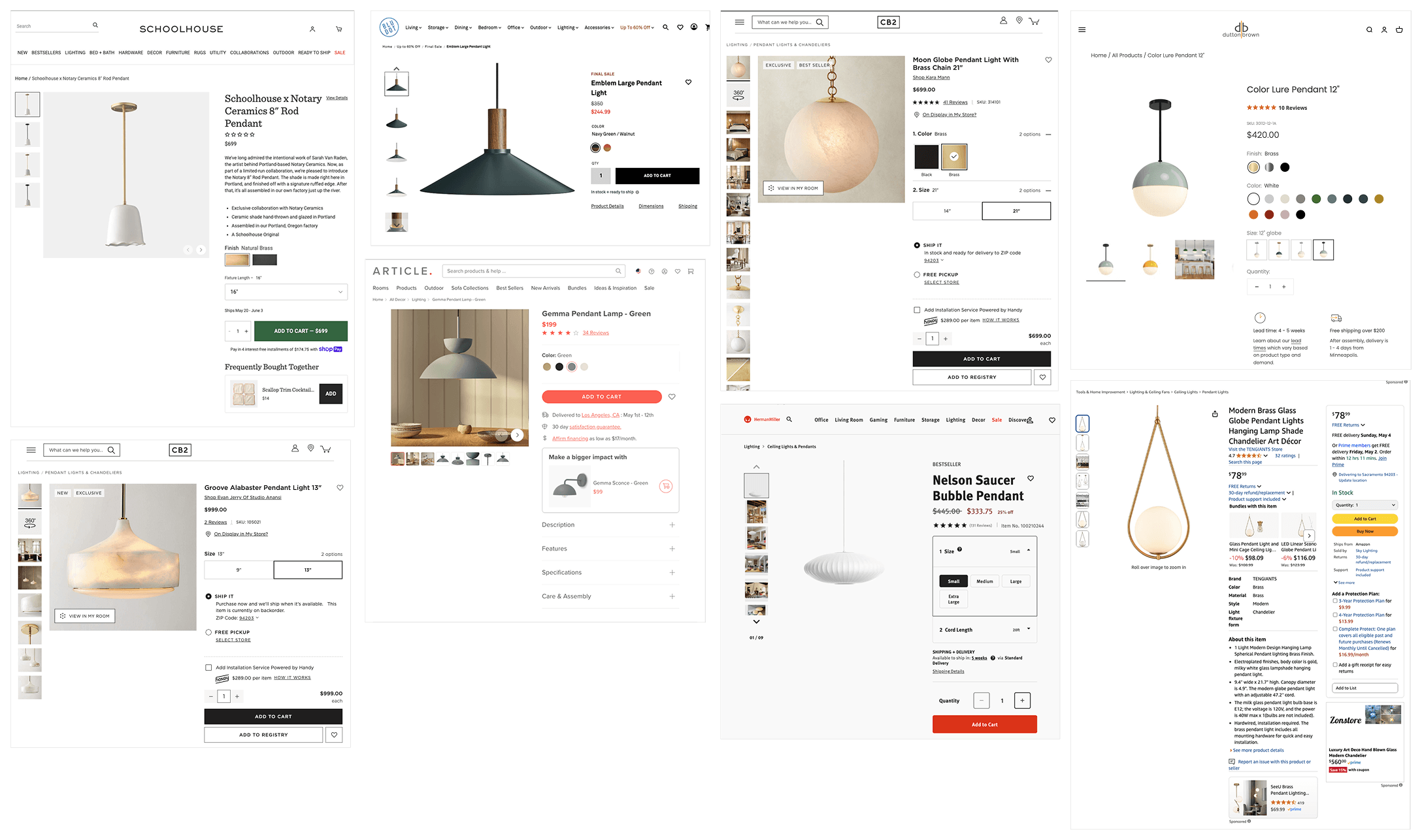 References from Competitive Analysis
Validation
Usability Testing
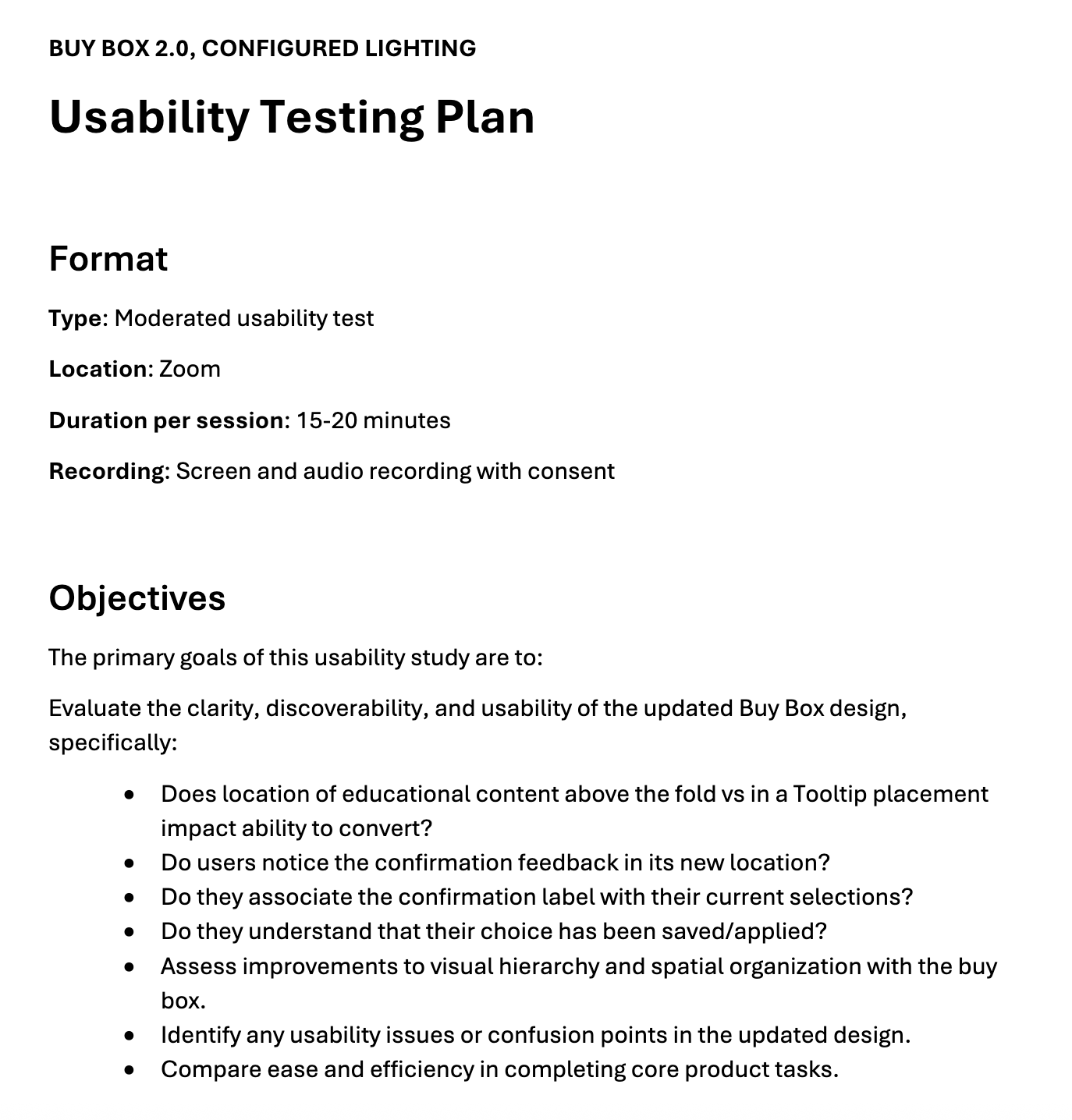
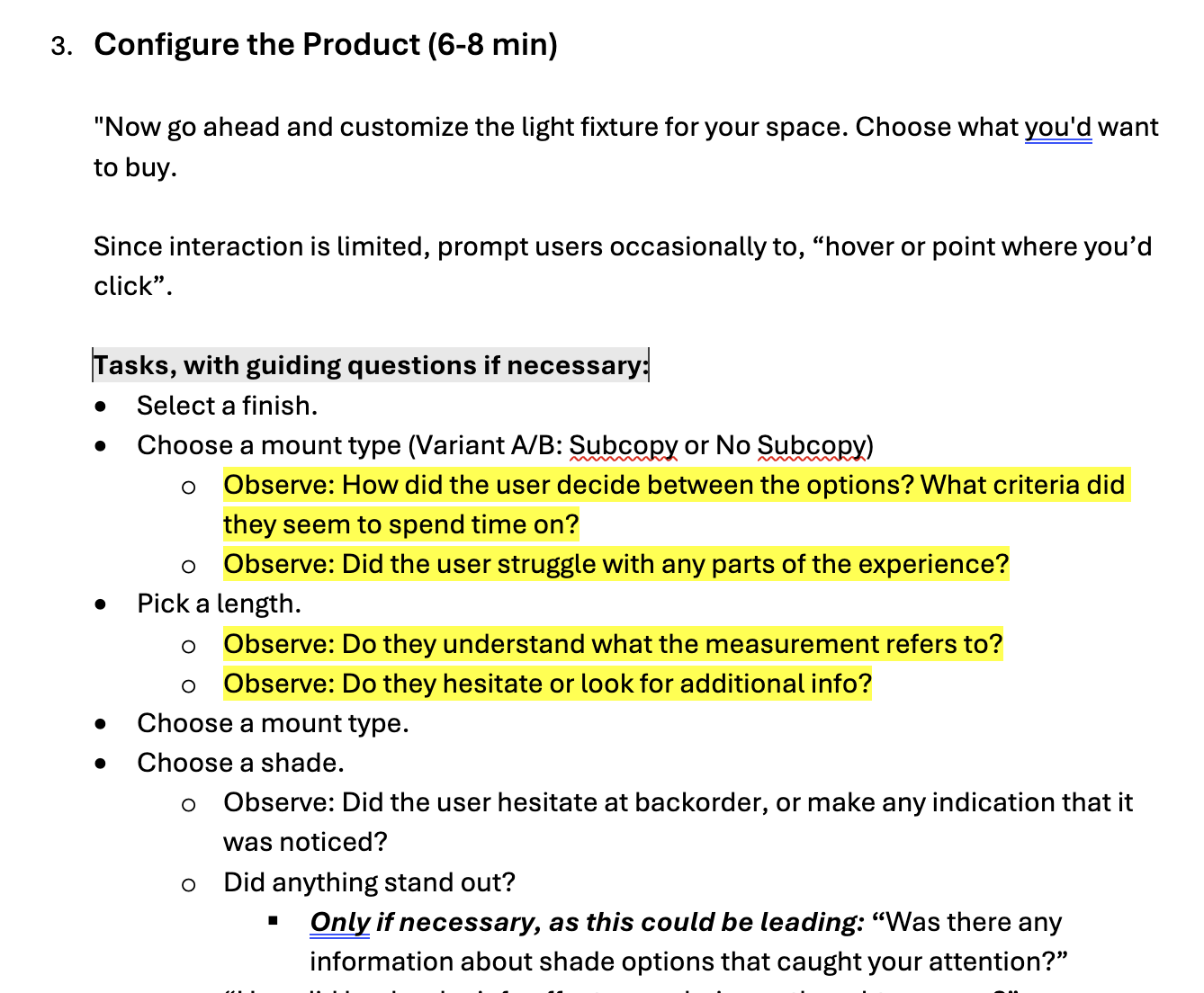
Following executive approval, I wrote a usability testing plan and
script to gauge preferences around educational copy. I conducted
tests with seven participants, testing "Educational Copy" vs. "No
Educational Copy."
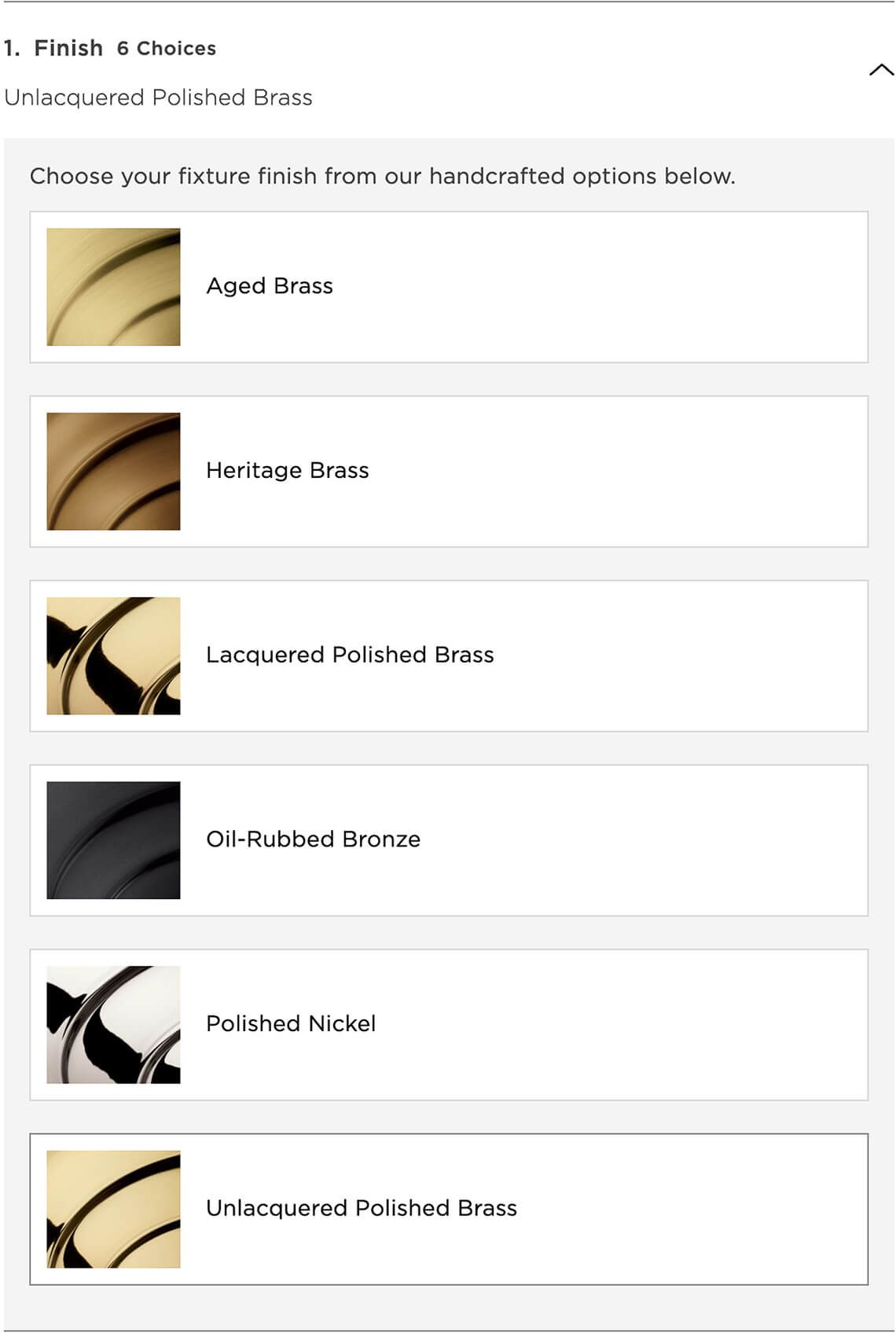
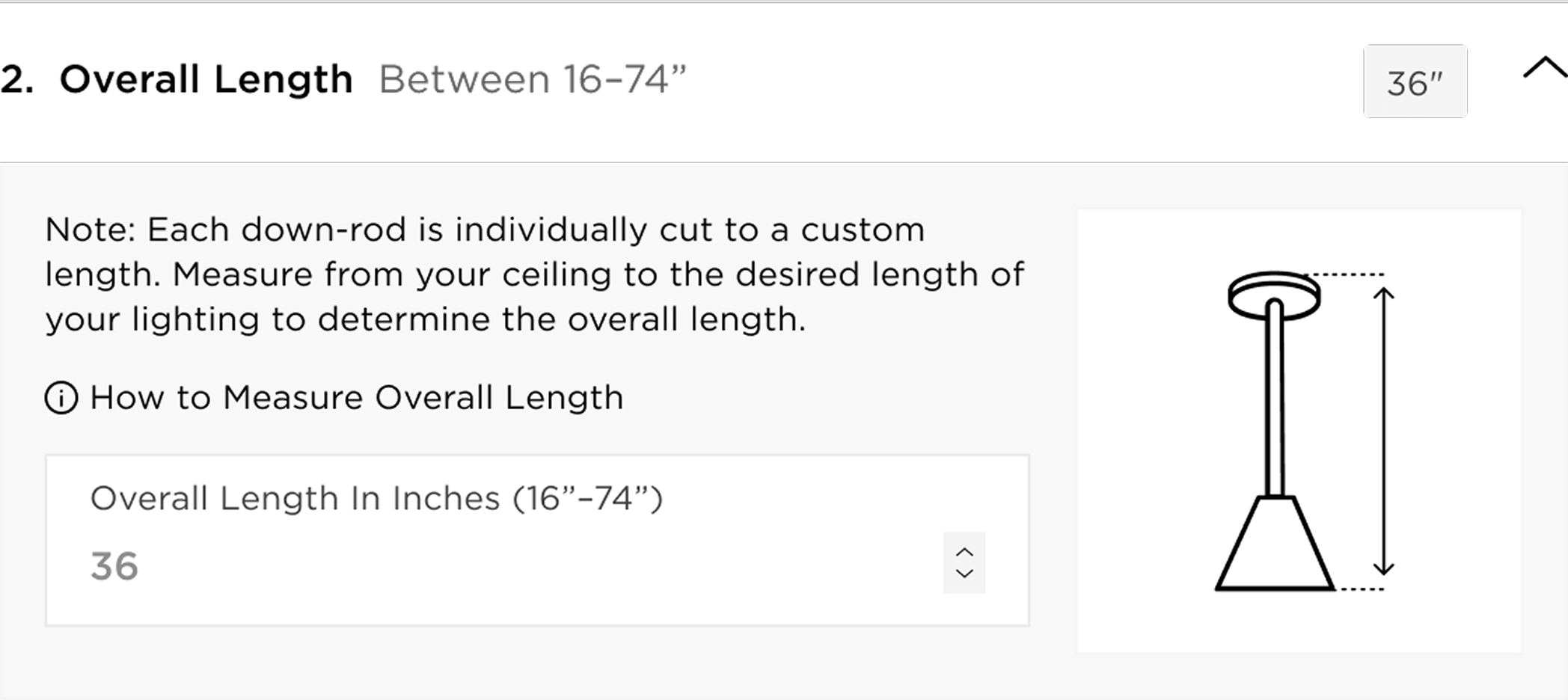
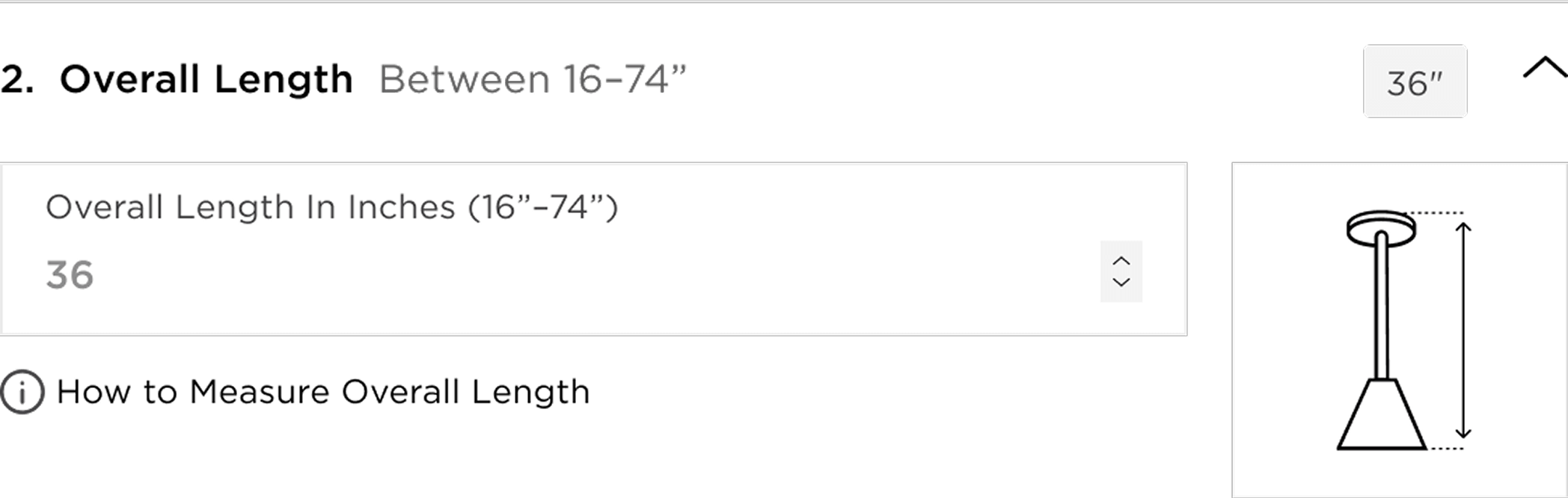
Overall Length Trays With and Without Eductional Subcopy
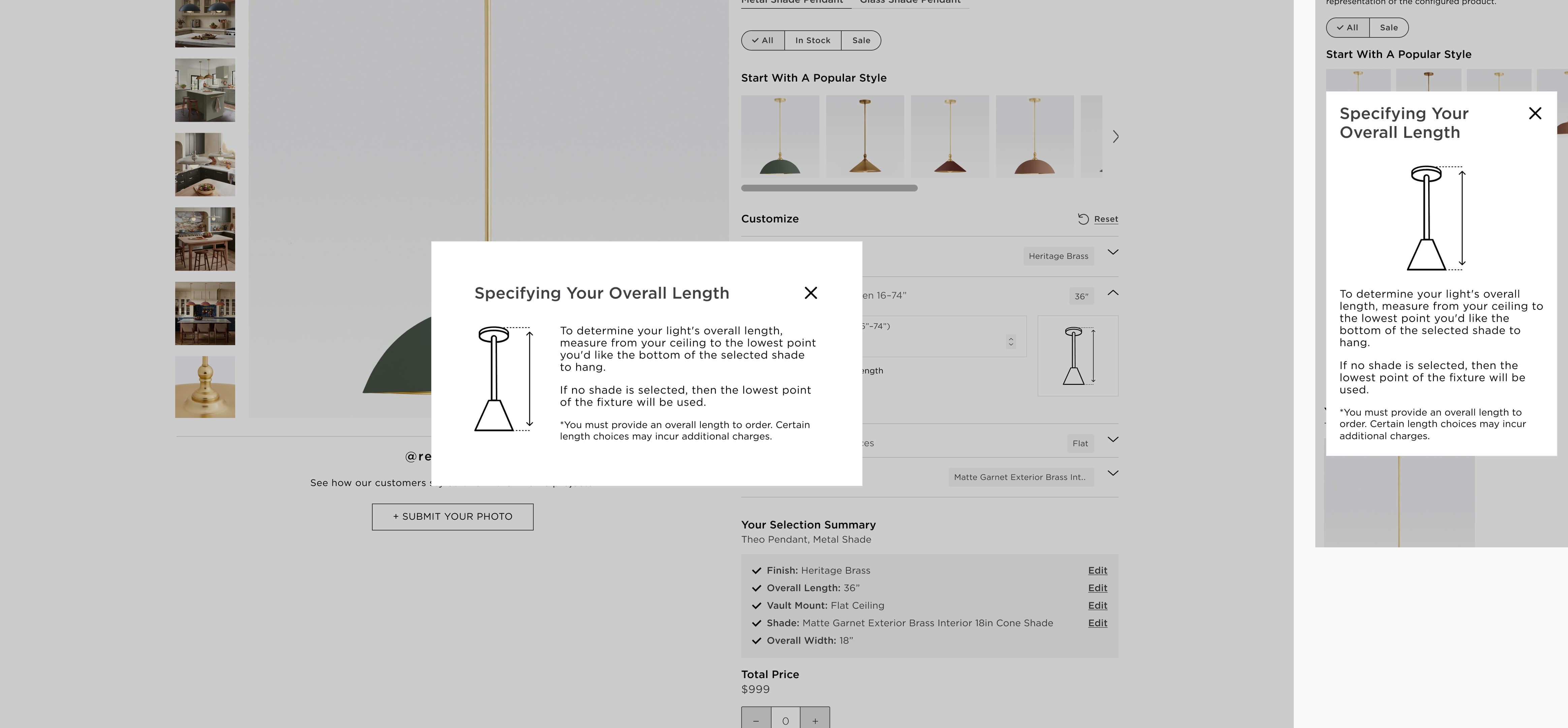
We learned that users felt confident when educational content was
delivered through tooltips rather than on-page text.
Our final recommendation: rely on tooltip functionality for
guidance to maintain a clean configuration UI.
Results
Next Steps & Implementation
The redesign moved into development with Regelyn, while we prepared
to scale the Buy Box logic to other PIP types, including Guided PIPs
for Upholstered Furniture and Simple PIPs for hardware. Looking
forward, we are exploring flyout trays and optimizing the order of
selection points based on testing feedback.
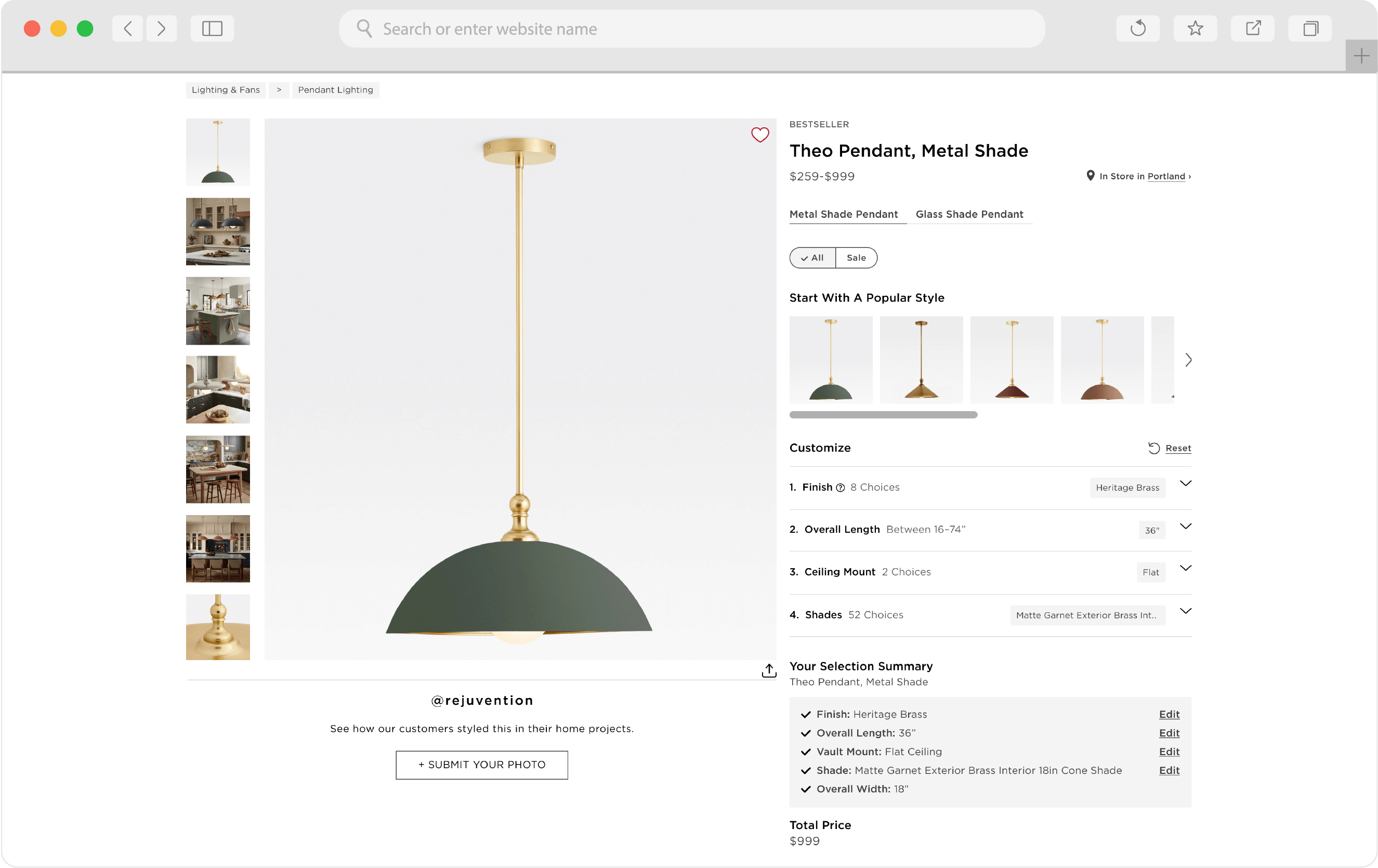
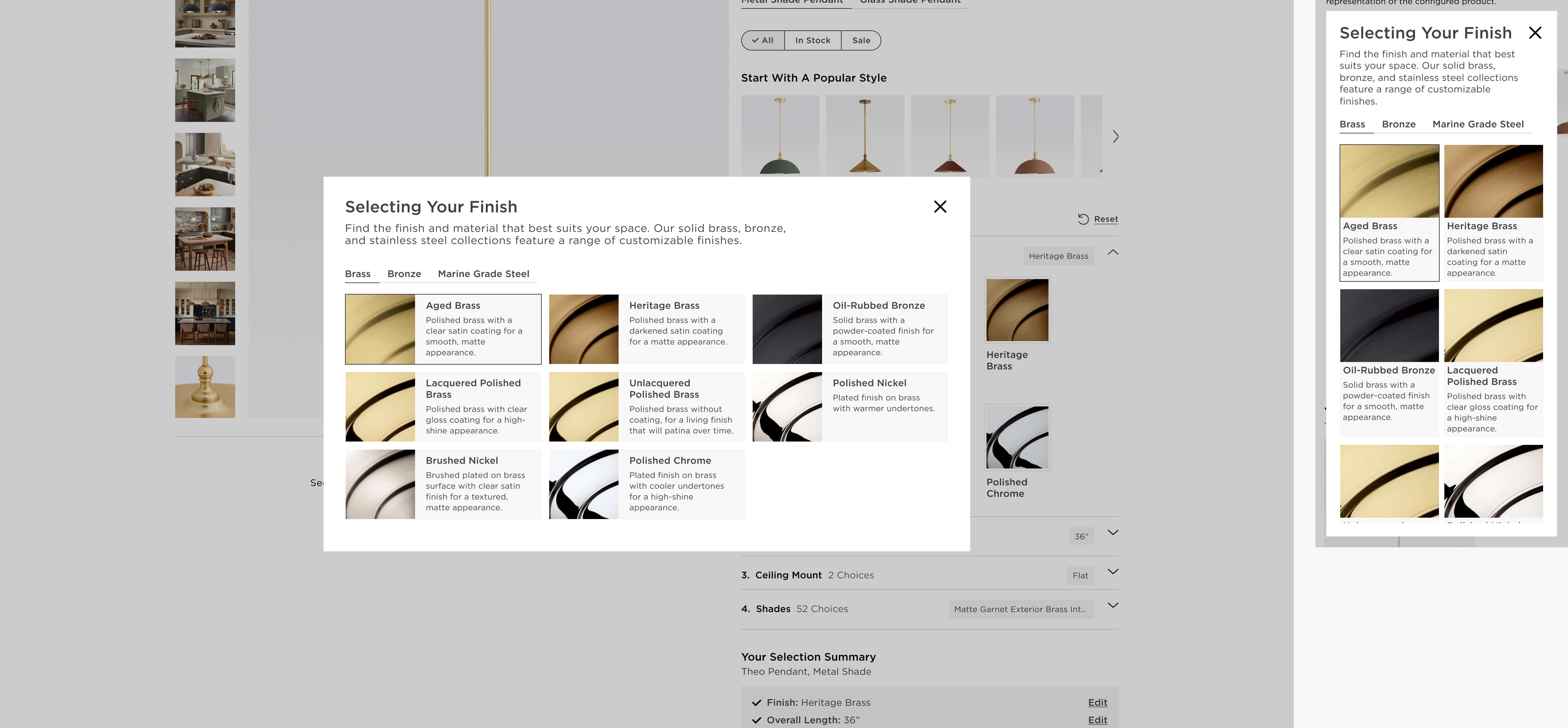
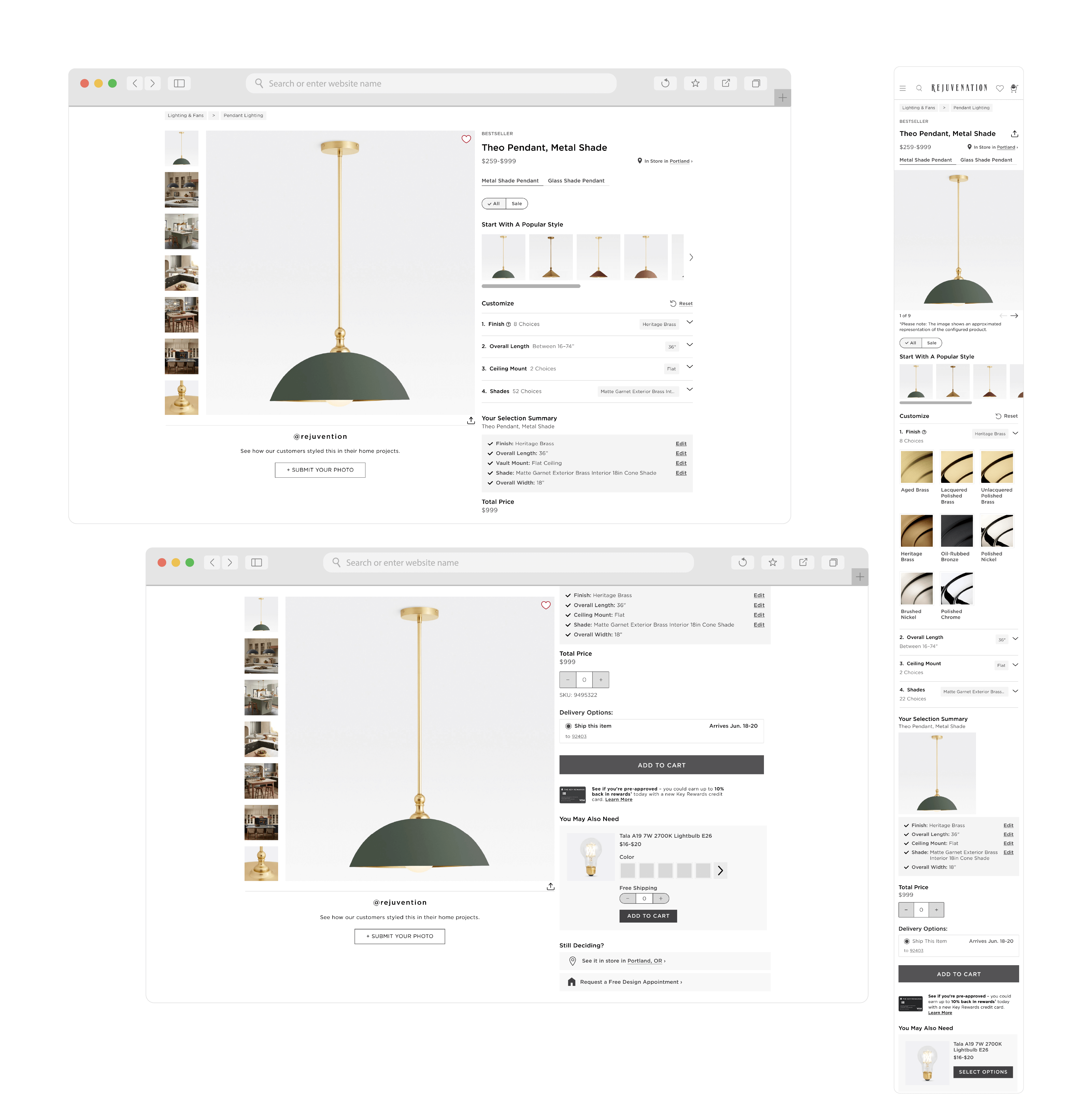 Final Implementation: Integrated tooltips and streamlined lighting
configuration.
Results & Impact
Final Implementation: Integrated tooltips and streamlined lighting
configuration.
Results & Impact
Measured Success
The impact of these Buy Box and configuration improvements is
directly reflected in the performance data following the update
period. In a pre/post comparison, configured lighting conversion
rate increased +13%, and revenue per visit (RPV) climbed 17%, even
as traffic increased significantly.
+13%
Conversion Rate
+17%
Revenue Per Visit
+11%
Total Orders
Notably, during this window, "simple" products (non-configurable)
saw declines in both conversion and RPV. This divergence suggests
that the stronger performance of configured products was not driven
solely by traffic mix or seasonal trends, but by the tangible
improvements made to the configuration experience itself.
Looking forward, we are preparing to scale this logic to other
high-complexity categories, including Upholstered Furniture and
Hardware, ensuring a consistent and high-converting experience
across the entire Rejuvenation catalog.